Workflow · 7 min read
Standardize vehicle intake before it becomes a profit leak
A cleaner intake flow reduces disputes, missed upsells, and handoff mistakes between the front desk and the wash floor.
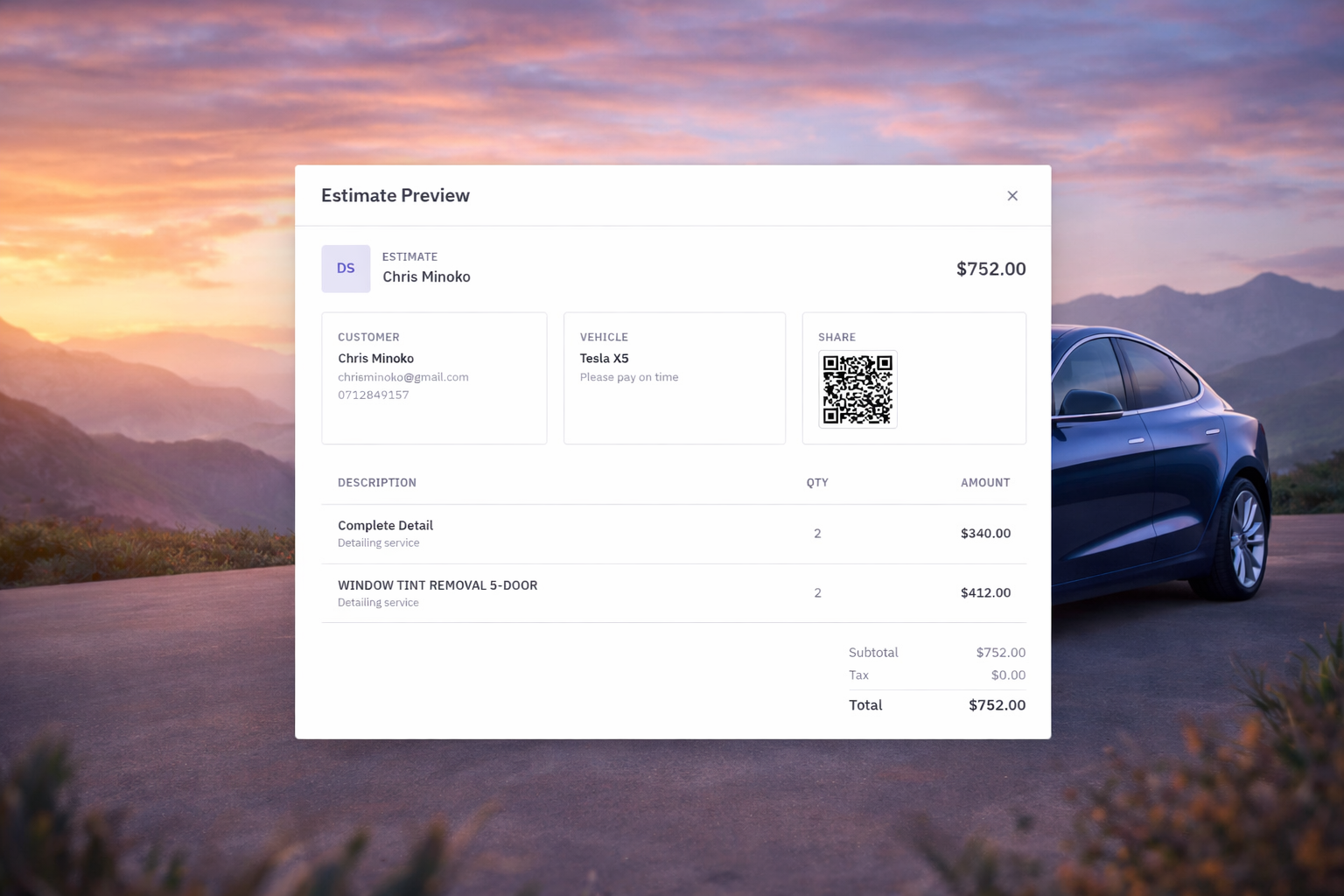
Intake is where operational quality starts
If the vehicle record is incomplete at check-in, the rest of the day becomes reactive. Teams lose time clarifying the requested service, checking the condition of the vehicle, and confirming whether work was completed as expected.
A standardized intake process gives every job the same foundation. It captures who the customer is, what was booked, what the vehicle condition looked like at arrival, and what the team needs to deliver before closeout.
What every intake record should include
The goal is not more data for its own sake. The goal is enough structure to move the vehicle through the business without repeated clarification.
- Service package and approved add-ons
- Vehicle identifiers, customer or dealer account, and contact context
- Condition notes, photos, or checklist items that protect both sides
Better intake creates better upsell timing
When service history and condition details are visible, teams can make relevant suggestions instead of generic pitches. That keeps upsells useful and makes follow-up marketing more credible because it is tied to what the vehicle actually needs next.
If the intake record is weak, every later handoff gets more expensive than it should be.